
An Incident Happened at the Property. Where Does the Record Go?
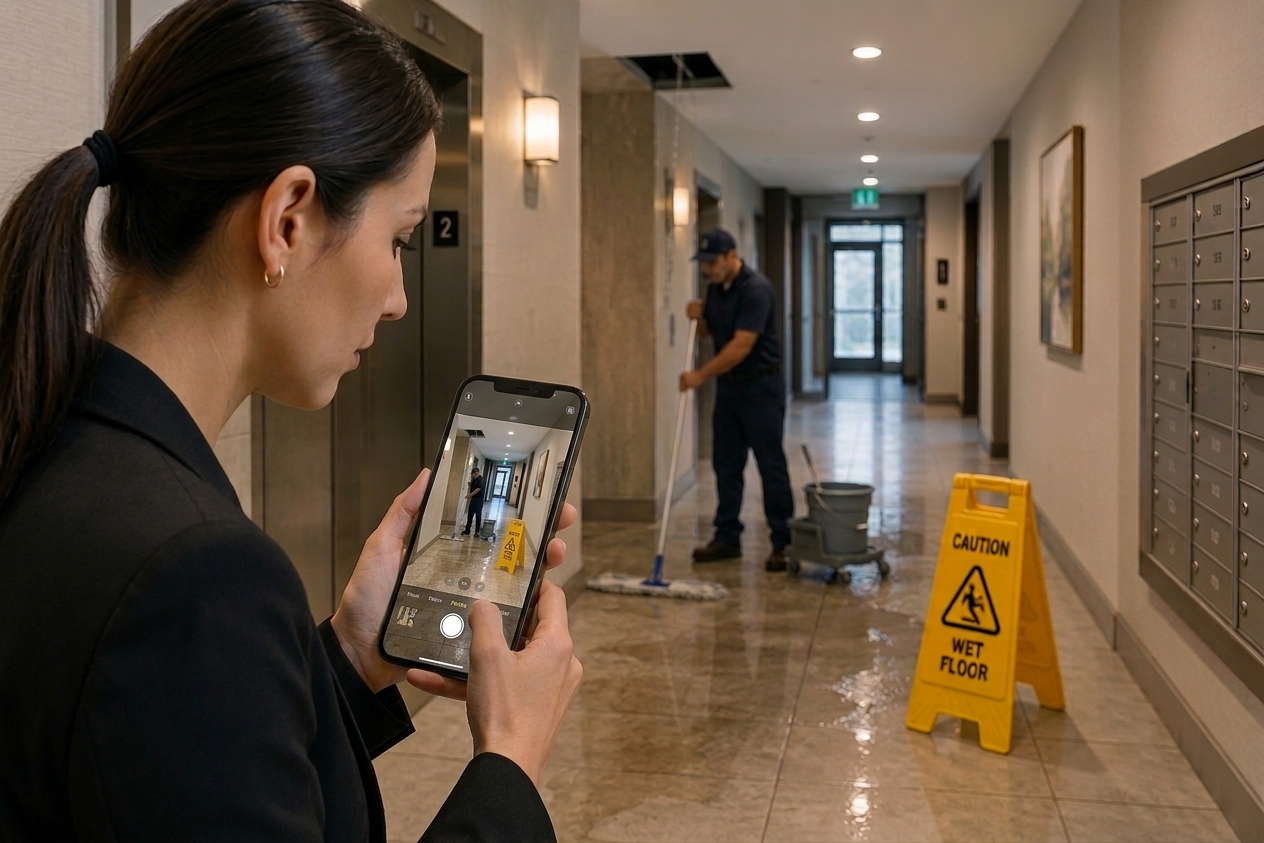
An incident happens at a condo property. The manager or staff respond quickly, keep the board informed, gather photographs or video footage, and resolve the issue.
But after the immediate problem is handled, another question remains: Where should the incident and its resolution be recorded?
For managers and boards, the information often ends up spread across emails, WhatsApp messages, photographs, video files, personal notes and community portal websites.
The situation may be resolved, but the property’s record is incomplete or unavailable in board reports.
Responding to an incident is only the first step
When an incident occurs, the first priority is addressing it.
Depending on the situation, that might involve contacting a vendor, reviewing security footage, communicating with residents, notifying the board, or taking immediate action to protect the property.
Managers are generally good at responding. The difficulty comes afterward.
Once the situation is under control, the manager still needs to preserve:
- What happened
- When it was discovered
- What action was taken
- How it was resolved
- Any photographs, video footage, emails or other supporting information
Without a consistent place to record this information, important context can be lost.
Messages keep people informed, but they do not create a property record
Email and messaging tools are useful while an incident is unfolding.
They help managers communicate quickly and keep the right people informed. But they are not always a reliable long-term record for the property.
Messages remain in individual inboxes or chat histories. Video footage may be saved separately. The final resolution may never be documented in the same place as the original issue.
Months or years later, someone may remember that the incident occurred without being able to answer basic questions:
- What exactly happened?
- What did management do?
- Was the matter fully resolved?
- Is there video or photographic evidence?
- Has something similar happened before?
These questions become even more difficult when the manager, board, or site staff changes.
A useful incident record does not need to be complicated
Not every incident requires a lengthy formal report.
For many operational matters, a useful record can be organized into three simple parts:
Discovery
What happened, and when was it discovered?
Action taken
What did management, staff, the board, or a vendor do in response?
Resolution
How was the matter resolved, and is any further follow-up required?
The record should also connect to supporting material such as photographs, video footage, correspondence, invoices, or vendor reports.
The objective is not to create more administrative work. It is to preserve enough information that someone unfamiliar with the incident can understand what occurred and how it was handled.
The incident and the evidence should remain connected
A written summary is helpful, but it may not tell the whole story.
Security footage, photographs, correspondence, and other supporting documents can provide valuable context. If those files are stored separately from the incident summary, however, they can be difficult to locate later.
A better record connects the incident, the response, the resolution, and the supporting evidence.
This allows managers and boards to see the complete history without searching through inboxes, shared drives, old messaging threads, and personal folders.
Incident records support better board reporting
Not every incident needs immediate board action, but material incidents may still need to appear in a manager’s report.
A structured record helps the manager provide a concise update without rewriting the history from memory.
The board can see:
- What happened
- What management or staff did
- Whether the matter is closed
- Whether a decision or further action is required
This gives directors appropriate visibility while allowing the manager to retain the supporting details for future reference.
Incident history becomes more valuable over time
A single incident may appear isolated.
Over time, a reliable history can reveal recurring problems involving a particular area of the property, type of equipment, operational process, or vendor.
That history can help managers and boards identify patterns, make better decisions, and avoid repeatedly investigating the same issue from the beginning.
But this is only possible when the information becomes part of the property’s shared records rather than remaining with one individual.
Recording an incident in Managemate
Managemate does not require a separate incident-report record type.
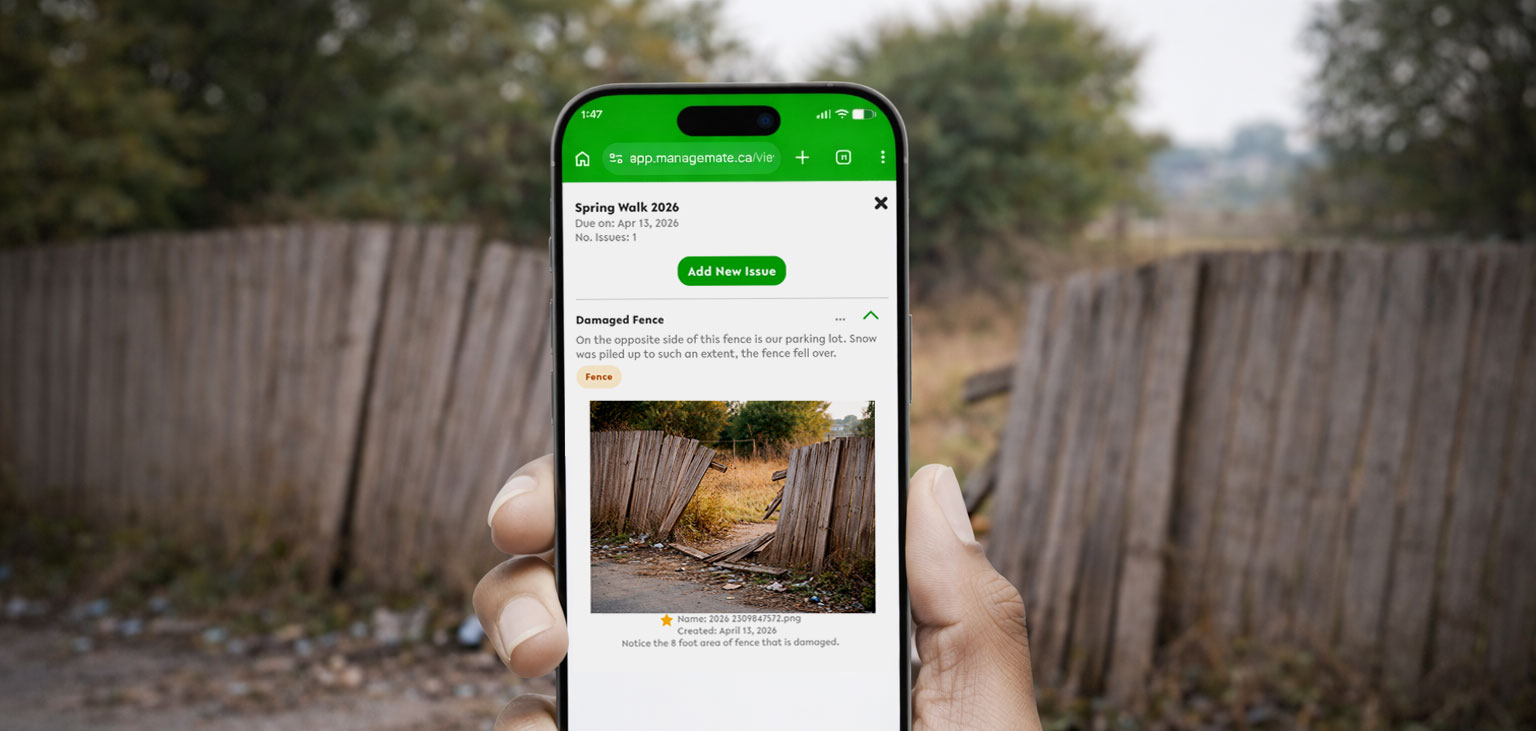
Managers can create an activity describing the incident, document the discovery, action taken, and resolution in a status update, and mark the activity complete when appropriate.
Supporting photographs, footage, correspondence, or other files can be uploaded as documents and linked directly to the activity. Applying a consistent Incident tag makes the records easier to retrieve later.
The activity can then form part of the property’s operational history and, where appropriate, appear in management reporting.
For existing Managemate users, our Help Centre explains the recommended process step by step:
How to record an incident and keep supporting evidence in Managemate.
The bottom line
An incident is not fully documented simply because everyone was informed while it was happening.
Once the immediate issue has been addressed, the incident, management’s response, the resolution, and the supporting evidence should become part of the property’s shared operational record.
That record helps the current manager report clearly, helps the board remain informed, and gives future managers and directors the context they need.
Good incident records are not just about documenting what went wrong. They preserve what was done about it.

See Managemate with your properties in mind
Tell Salim, Managemate’s founder, how your team tracks work and reports to boards today. He’ll show you how Managemate would fit your portfolio, team and existing systems.